
Understanding Oil Changes: Frequency, Types, and Why They Matter!
Understanding Oil Changes: Frequency, Types, and Why They Matter!
Posted on April 24, 2026
A small habit that protects something big
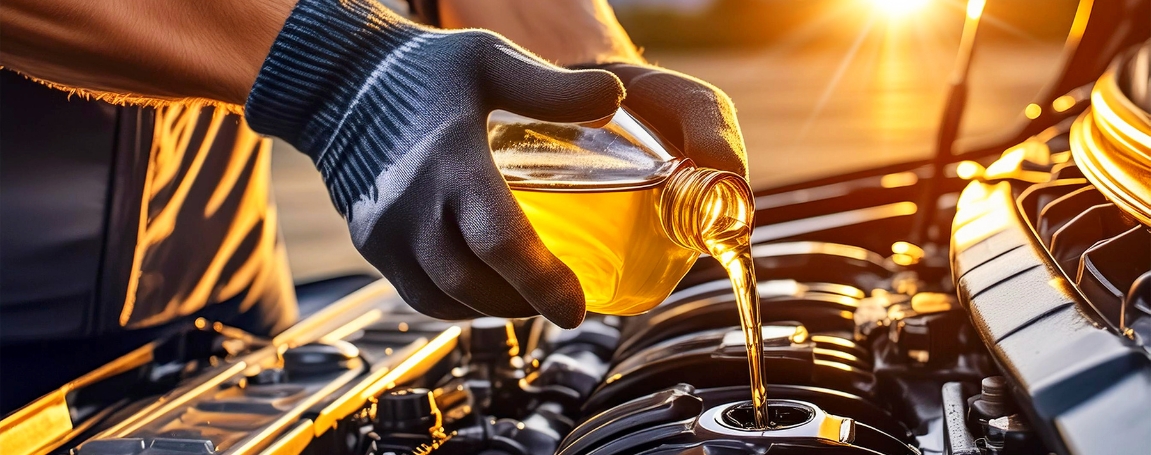
Oil changes may feel like a small task, but they play a very big role in how your engine runs. Inside your engine, many parts move fast and create heat. Oil is used to keep everything smooth and cool. Over time, that oil gets dirty and loses its strength. When that happens, the engine has to work harder. This can lead to wear, lower performance, and even damage. That is why relying on top of oil changes is one of the coolest ways to protect your vehicle.
How often should oil really be changed?
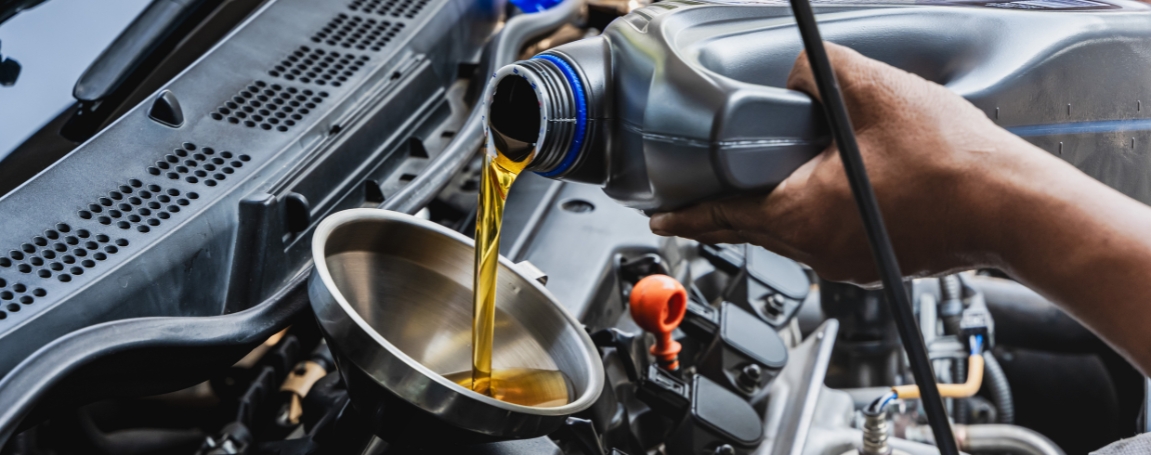
There is no one single answer, but there are clear guidelines. Most modern vehicles can travel between 8,000 and 12,000 kilometres on synthetic oil. Older vehicles, or those using conventional oil, may need changes every 5,000 kilometres. Driving habits also matter a lot. If you drive in stop-and-go traffic, very cold winters, or dusty conditions, oil may wear out faster. In places like Ontario, where winters are harsh, oil can thicken and lose efficiency more quickly. It is always a good idea to check your owner’s manual and watch for signs such as darker oil or engine noise.
The different types of oil and what they really mean
Not all oil is the same. Each type is designed for different needs and driving styles.
- Conventional oil is the most basic option. It is affordable and works well for older engines. But it breaks down faster and needs more frequent changes.
- Synthetic oil is more advanced. It stays longer and performs better in thrilling temperatures. It flows smoothly in winter and stays stable in the heat.
- Synthetic blend oil sits in between. It offers better defense than traditional oil but costs less than full synthetic. It is a good middle option for many drivers.
Choosing the right type depends on your engine and how you drive. Newer engines usually perform better with synthetic oil because of its durability and performance.
Why fresh oil makes such a big difference

Fresh oil helps reduce friction between engine parts. This keeps the engine moving smoothly and prevents overheating. It also helps clean the engine by picking up dirt and debris. Over time, old oil becomes thick and dirty. It stops doing its job properly. This can lead to lower fuel efficiency and reduced power. Routine oil changes help preserve engine performance and keep everything running as it should. It is one of the simplest ways to avoid costly repairs later.
Signs that your oil needs attention
Sometimes, your vehicle will give small hints that it is time for an oil change. The engine may sound louder than usual. You may notice a burning smell or reduced fuel efficiency. The oil on the dipstick may look dark and dirty instead of clear. Warning lights can also appear on your dashboard. You need to understand these by learning from guides. Understanding these signs early can help avoid bigger problems.
How oil affects long-term engine health
Engines are built to last, but they need proper care. Clean oil helps reduce wear on internal parts. It keeps seals and components working properly. Over time, skipping oil changes can lead to buildup inside the engine. This buildup can block passages and reduce lubrication. That is when serious damage can happen. Regular oil changes help extend engine life and keep performance steady over the years.
Choosing the right oil for your driving style
Your driving habits play a big role in the type of oil you should use. If you mostly drive short distances in the city, your engine may not reach full temperature often. This can cause oil to degrade faster. Synthetic oil is usually a better choice in this case. If you do more highway driving, oil tends to last longer. In colder regions like Ontario, synthetic oil is often preferred because it performs better in low temperatures. It flows easily even during cold starts, which protects the engine right away.
A simple routine that saves money over time
Oil changes may feel like a regular expense, but they help save money in the long run. A well-lubricated engine runs more efficiently and uses less fuel. It also avoids major repairs that can be very costly. Keeping a simple schedule for oil changes can make a big difference. It is a small habit that leads to long-term benefits.
Keep your engine healthy with expert care
Get Expert Service – Book A Free Checkup!
Regular oil changes are easy when you have the right team supporting you. Visit Myers Car Canada in Ottawa for reliable service and expert care. Book your free checkup today and keep your engine running smoothly and strongly every day.