
Common Brake Problems in Used Cars and What They Mean!
Common Brake Problems in Used Cars and What They Mean!
Posted on March 19, 2026
Buying a pre-owned vehicle can be a smart decision, but the braking system deserves extra attention. Unlike cosmetic issues, brake problems directly affect safety and stopping ability. Wear and tear from previous owners, driving habits, and maintenance history all influence how well the brakes perform. Some issues develop slowly, while others appear suddenly without warning. Recognizing early symptoms can prevent costly repairs and dangerous situations. The sections below explain what common problems feel or sound like, why they happen, and how urgently they should be addressed.
Squealing or Screeching Sounds When Braking
A high-pitched squeal is one of the most common complaints in used vehicles. This noise usually comes from worn brake pads, which include a small metal indicator that produces a sound when replacement is needed. Dust buildup or moisture can also create temporary squealing, especially after rain or overnight parking. Replacement of brake pads typically costs between $150 and $300 per axle depending on parts quality. Driving short distances is generally safe if braking performance remains normal, but delaying service can damage the rotors and increase costs. According to brake specialists, ignoring this warning can turn a simple pad replacement into a much larger repair.
Grinding Noise That Sounds Like Metal on Metal
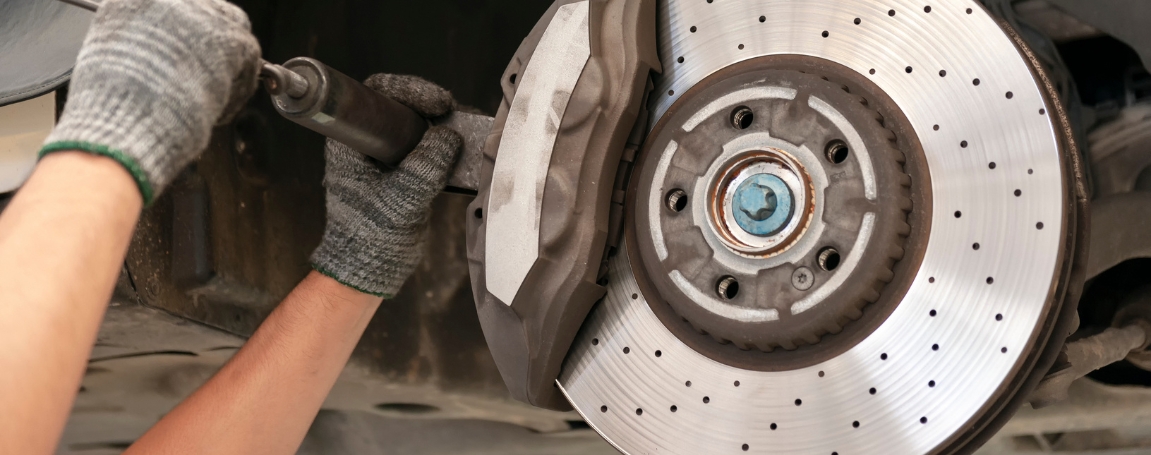
Grinding is far more serious than squealing. It usually means the brake pads are completely worn out, allowing metal backing plates to contact the rotors. This condition reduces stopping power and can quickly destroy expensive components. Rotor replacement combined with new pads may cost $400 to $800 or more. Driving should be avoided except in emergencies because braking distance increases significantly. This issue requires immediate professional attention to prevent further damage.
Soft or Spongy Brake Pedal Feel
If the brake pedal feels soft, sinks toward the floor, or requires extra pressure, the hydraulic system may be compromised. Air in the brake lines, worn master cylinder seals, or brake fluid leaks are common causes. Moisture contamination in old brake fluid can also reduce effectiveness. Repair costs vary widely from about $100 for a fluid flush to over $600 for major component replacement. This problem can suddenly worsen, making driving risky. Service should be scheduled as soon as possible.
Steering Wheel Vibration While Braking
A shaking steering wheel during braking usually indicates warped brake rotors. Heat buildup from repeated hard braking can distort rotor surfaces over time. The vibration is most noticeable at higher speeds and can make the vehicle feel unstable. Resurfacing or replacing rotors typically costs $300 to $700 depending on severity. Driving is generally safe in the short term, but braking performance will continue to decline. Prompt repair prevents uneven tire wear and suspension strain.
Vehicle Pulling to One Side
If the vehicle veers left or right when braking, one side of the braking system is working harder than the other. Sticking callipers, uneven pad wear, or contaminated brake fluid are common causes. This imbalance can increase stopping distance and make emergency maneuvers difficult. Repairs may cost $200 to $600, depending on whether parts need replacement. Short trips may still be manageable, but highway driving becomes risky. Addressing the issue quickly improves control and safety.
Burning Smell After Heavy Braking
A sharp chemical or burning odour often indicates overheated brakes or a stuck caliper. Excessive heat can reduce braking effectiveness through a condition known as brake fade. If smoke appears, stop driving immediately to allow components to cool. Continued use can damage pads, rotors, and nearby parts. Costs depend on the extent of overheating but may range from minor pad replacement to full system repair. This situation requires urgent inspection before normal driving resumes.
Brake Warning Light on the Dashboard
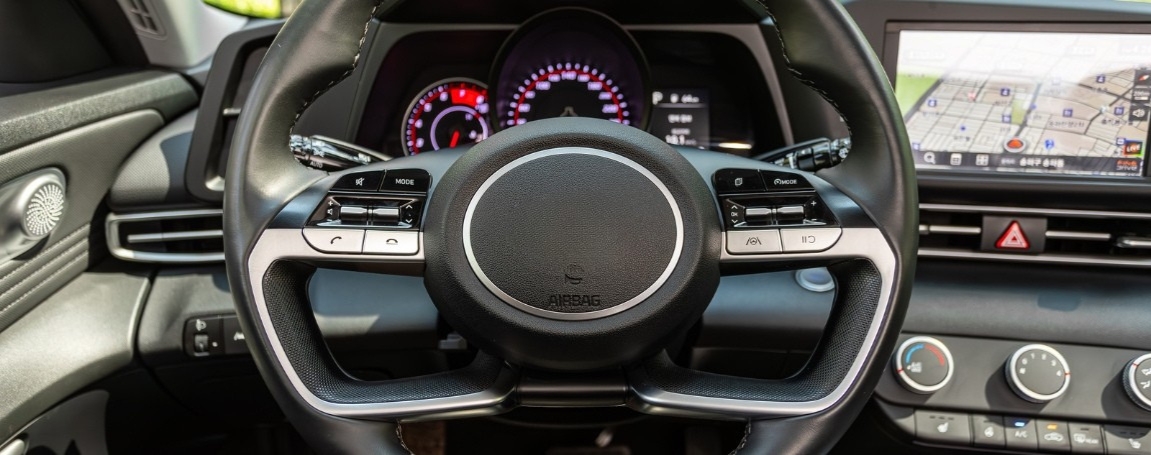
Modern vehicles monitor braking systems electronically. A warning light may indicate low brake fluid, worn pads, or system faults such as ABS issues. Some problems are minor, but others can disable critical safety functions. Diagnostic scanning usually costs under $100, with repairs varying widely afterwards. Driving cautiously to a repair facility is usually acceptable unless braking performance feels compromised. Ignoring warning lights can allow small issues to escalate into major failures.
Longer Stopping Distances Than Usual
If the vehicle takes noticeably longer to stop, something is reducing braking efficiency. Worn pads, glazed rotors, low fluid levels, or failing components can all contribute. This symptom may develop gradually, making it easy to overlook until an emergency situation occurs. Repair costs depend on the root cause but typically range from $200 to $700. Driving should be minimized until the issue is diagnosed. Reduced stopping power significantly increases the risk of accidents.
When Brake Issues Need Immediate Attention
Some symptoms demand urgent service, including grinding noises, severe pulling, fluid leaks, or a pedal that goes to the floor. These signs indicate potential failure of critical components. Continuing to drive can put both occupants and other road users at serious risk. Even minor warning signs should not be ignored for long. Regular inspections help detect wear before it becomes dangerous. Preventive maintenance is almost always cheaper than emergency repairs.
Keep Your Brakes Safe With Expert Inspection
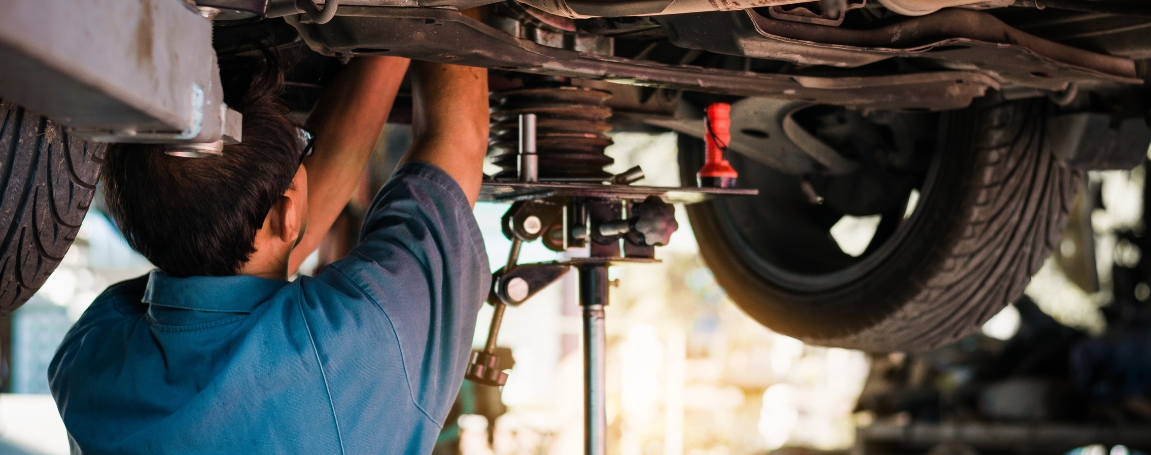
Used vehicles can deliver excellent value, but only if essential systems are properly maintained. Brake components wear naturally over time, so periodic checks are crucial for long-term reliability. Listening to unusual sounds, noticing changes in pedal feel, and responding quickly to warning signs can prevent costly surprises. Professional technicians can identify hidden problems that may not be obvious during a test drive. Ensuring the braking system is in top condition provides confidence every time you drive. Safety should always come first.
Contact Our Team for a Free Brake Checkup
For dependable brake inspection and service in Ottawa, visit Myers Car Canada in Ottawa. Their experienced technicians can quickly diagnose issues and help keep your vehicle safe through professional maintenance and repairs.