
Why Your Used Car Transmission Might Fail and How to Fix?
Why Your Used Car Transmission Might Fail and How to Fix?
Posted on March 19, 2026
The transmission is one of the most complex and expensive parts of any vehicle. It controls how power is transferred from the engine to the wheels, enabling smooth acceleration and efficient driving. In pre-owned vehicles, wear from previous owners can increase the risk of problems, especially if maintenance records are unclear. Ontario drivers often face stop-and-go traffic, long highway trips, and cold winters, all of which place extra stress on this system. When issues develop, they rarely resolve on their own and usually worsen over time. Recognizing initial warning symbols and acting quickly can save thousands of dollars. Understanding the causes also helps prevent future damage.
Low or Contaminated Transmission Fluid
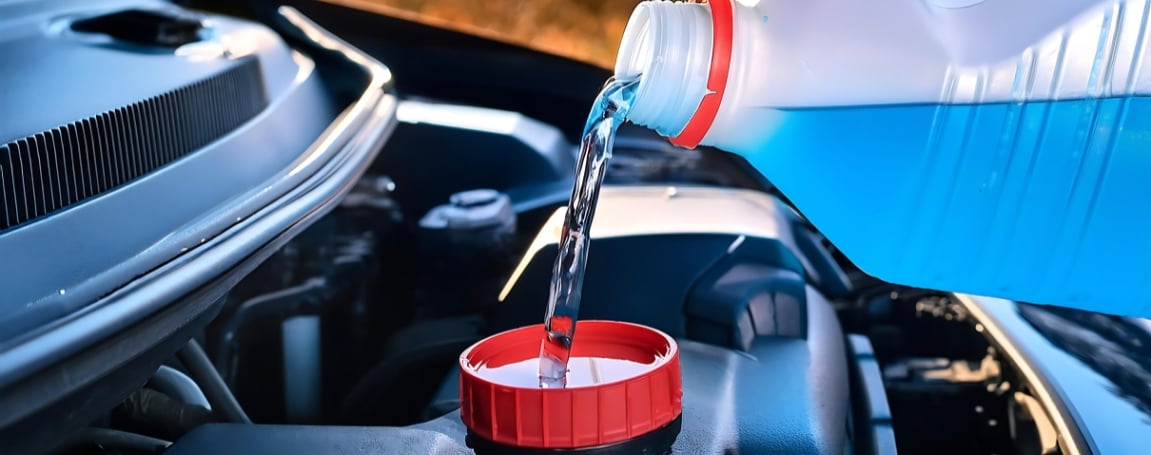
Fluid acts as both a lubricant and a coolant for internal components. Over time, it can break down, become contaminated, or leak due to worn seals. Low fluid levels cause overheating, slipping gears, and rough shifting. A fluid change typically costs between $150 and $300, making it one of the most affordable preventive services. Ignoring the problem can lead to severe internal damage requiring a rebuild or replacement. Regular checks are especially important in colder climates where fluid thickens during winter. Many transmission failures begin with something as simple as neglected fluid maintenance.
Overheating From Heavy Use or Towing
Heat is the number one enemy of transmissions. Frequent towing, aggressive driving, or prolonged traffic congestion can push temperatures beyond safe limits. Overheating breaks down fluid and accelerates wear on internal clutches and seals. According to transmission specialists, excessive heat can dramatically shorten component lifespan. Installing an auxiliary cooler, keeping suspension softer or adjusting driving habits can reduce stress on the system. Repair costs for heat damage vary widely but often exceed $1,000 if internal parts are affected. Preventing overheating is far cheaper than fixing the results.
Delayed or Slipping Gear Changes
If the vehicle hesitates before moving or feels like it is slipping between gears, internal clutches may be worn. Drivers often describe this as the engine revving without a matching increase in speed. This condition can also result from low fluid pressure or failing solenoids. Minor issues may be corrected with fluid service or electronic repairs costing a few hundred dollars. Severe slipping usually signals major internal wear requiring a rebuild. Driving in this state increases the risk of sudden failure, especially at highway speeds. Immediate diagnosis is recommended.
Unusual Noises During Shifting

Grinding, whining, or clunking sounds when shifting are clear warning signs. These noises often indicate worn bearings, damaged gears, or failing torque converters. Unlike engine noises, transmission sounds usually change with gear selection rather than engine speed alone. Early repairs may cost several hundred dollars, but ignoring the noise can lead to catastrophic failure. In extreme cases, the vehicle may lose the ability to move at all. Strange sounds should always be investigated promptly.
Warning Lights and Electronic Issues
Modern vehicles rely heavily on electronic controls. A dashboard warning light may indicate sensor problems, overheating, or internal faults. Sometimes the issue is minor, such as a faulty speed sensor costing under $200 to replace. However, the same light can also signal serious internal damage. Diagnostic scanning helps identify the exact cause before symptoms worsen. Driving cautiously to a repair facility is usually acceptable unless performance is severely affected. Electronic problems should never be ignored because they can escalate quickly.
Leaks Under the Vehicle
Transmission fluid leaks typically appear as reddish or dark stains on the ground. Even small leaks can lead to major problems if fluid levels drop too low. Common causes include worn seals, cracked lines, or loose connections. Repair costs may range from $150 for simple fixes to over $800 if multiple components are involved. Driving with low fluid risks overheating and internal damage. Regularly checking for leaks is a simple way to prevent expensive repairs.
Driving Habits That Accelerate Damage
Certain habits can dramatically shorten transmission life. Rapid acceleration, hard braking, and frequent gear changes increase internal stress. Shifting from the converse to drive before coming to a complete stop is particularly harmful. In winter, driving before the fluid warms up can also cause additional wear. Smooth acceleration and allowing the vehicle to warm slightly in cold conditions help preserve components. Small changes in driving style can make a significant difference over time.
Repair vs Replacement Costs
Minor repairs such as fluid service, sensor replacement, or seal repairs usually cost between $150 and $800. Major internal repairs or rebuilds often range from $2,000 to $4,000, depending on the vehicle. Full replacement with a new or remanufactured unit can cost more than $5,000. These figures highlight why early diagnosis is critical. Fixing a small issue promptly prevents much larger expenses later. Drivers should weigh repair costs against the vehicle's overall value when deciding on replacement.
When Immediate Action Is Necessary
Certain symptoms require urgent attention. Complete loss of drive, burning smells, severe slipping, or loud grinding noises indicate serious internal failure. Continuing to drive can cause secondary damage to other components. In some cases, towing the vehicle is safer than driving it to a repair shop. Acting quickly not only protects safety but may also reduce repair costs. Waiting rarely improves the situation.
Keep Your Vehicle Reliable With Proper Transmission Care
A well-maintained transmission can last many years, even in older vehicles. Regular fluid checks, gentle driving habits, and prompt attention to warning signs are key to long-term reliability. Ontario drivers who face harsh winters and heavy traffic should be especially proactive with maintenance. Professional inspections can identify early wear before it becomes a major failure. Investing in preventive care helps ensure smooth performance and peace of mind. Reliable shifting is essential for both safety and comfort on every journey.
Contact Our Team for a Free Transmission Checkup
For professional transmission inspection and service in Ottawa, visit Myers Car Canada in Ottawa. Their expert technicians can diagnose issues early and help keep your vehicle running smoothly with trusted maintenance solutions.